Dopamine Decor: A Guide to Creating Joyful Spaces In Your Home
Dopamine decor is having a moment. And honestly, it makes sense.
People are craving more than just beautiful homes - they’re craving spaces that feel good to walk into and spend time in. Not in a polished, perfect way, but in a deeply personal, feel-good, smile-when-you-walk-in-the-room way.
At its heart, dopamine decor is about joyful interior design - creating spaces that actively lift your mood and reflect your inner world. Think colour that energises you, shapes that feel playful, art that sparks something, and objects that carry a story or memory.
It’s a response to a few heavy years. People are craving joy at home, not restraint. Dopamine decor leans into that by asking a simple question:
What actually makes you feel good in your space?
And the answer looks different for everyone.
What Is Dopamine Decor?
Dopamine decor centres around the idea that our homes should support how we want to feel.
Dopamine, often referred to as the “feel-good” neurotransmitter, is associated with pleasure and motivation. While a room won’t chemically alter your brain, your environment absolutely influences your emotional state.
Light impacts energy. Colour shapes perception. Texture creates sensory depth. Layout effects ease and flow.
Dopamine decor acknowledges this and shifts the focus from aesthetic rules to emotional response.
For some, joyful interior design looks like bold colour and playful contrast. Unexpected pairings. A sculptural lamp that makes no logical sense but makes you smile every time you turn it on.
For others, it’s subtle. Layered textures. Nostalgic pieces. A palette that feels emotionally comforting rather than trend-led.
There isn’t one aesthetic that defines dopamine decor. The common thread is intention.
Nothing is there to impress. Everything is there to support how you want to feel.
A Shift Towards Designing for Emotion
For a long time, interiors leaned heavily into restraint. Minimalism. Perfect symmetry. Muted palettes that felt safe and socially approved.
And while calm, tonal spaces still have their place (and remain foundational in much of our work), what we’re seeing now is a shift toward designing for emotion.
Homeowners are asking deeper questions:
Does this space energise me?
Does it calm me?
Does it feel like me?
Designing for emotion means considering not just how a room looks, but how it regulates your nervous system. Does it allow you to exhale? Does it inspire creativity? Does it feel restorative at the end of the day?
Dopamine decor gives language to something deeply human: the desire for joy at home.
This trend isn’t about rules. It’s about permission. Permission to choose what lights you up. Permission to mix old with new, playful with calm, polished with imperfect. Permission to design a home that reflects your inner world, not someone else’s idea of good taste.
Joy Doesn’t Mean Chaos
There’s a misconception that dopamine decor equals maximalism. But joyful interior design doesn’t require visual overload.
In refined spaces, joy might be introduced through:
A single saturated accent in an otherwise neutral room
Art that carries personal meaning
Sculptural forms that soften architectural lines
Unexpected scale or contrast
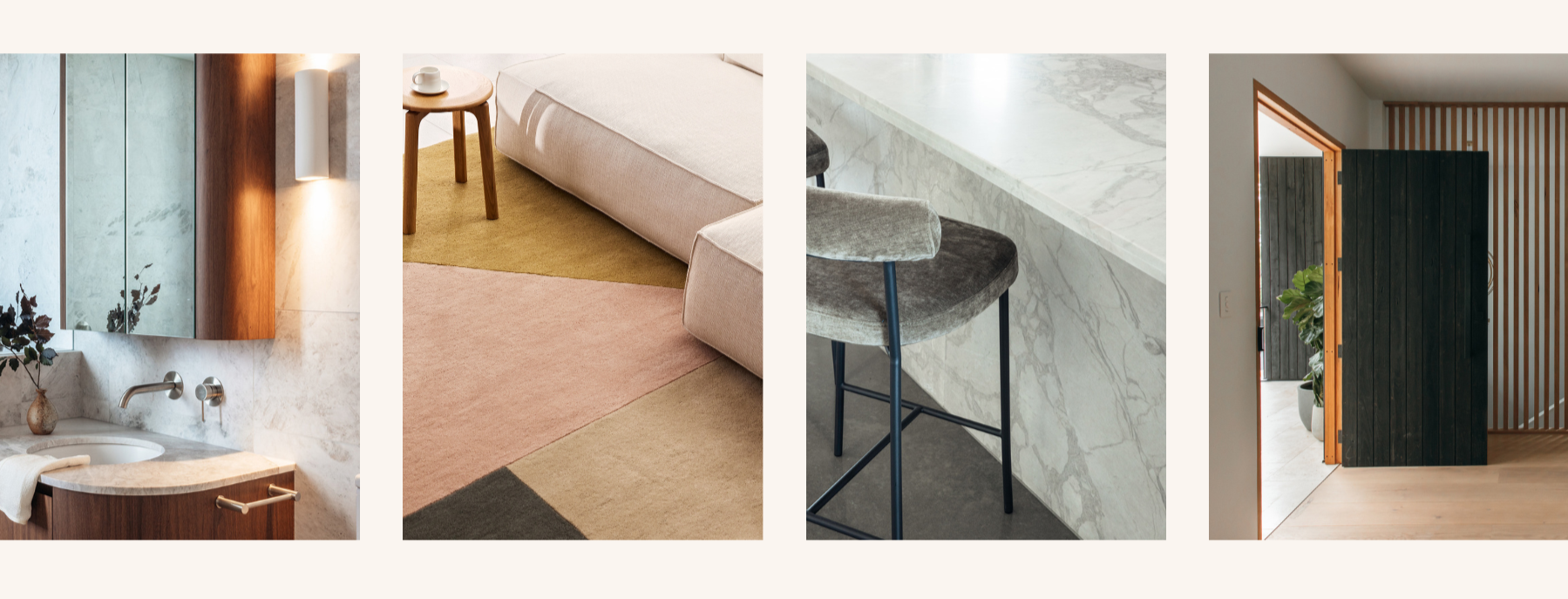
Layered materials that invite touch
It’s about emotional resonance, not volume.
At Unfolded, we often work with restrained foundations and introduce personality in considered moments. The interplay between calm and expression creates longevity - and ensures that joy feels grounded rather than fleeting.
Because ultimately, nothing is chosen to impress. It’s chosen to support how you want to live and feel.
The Role of Nature in Joyful Spaces
One element I always come back to personally is fresh flowers and greenery at home.
There’s something grounding about it.
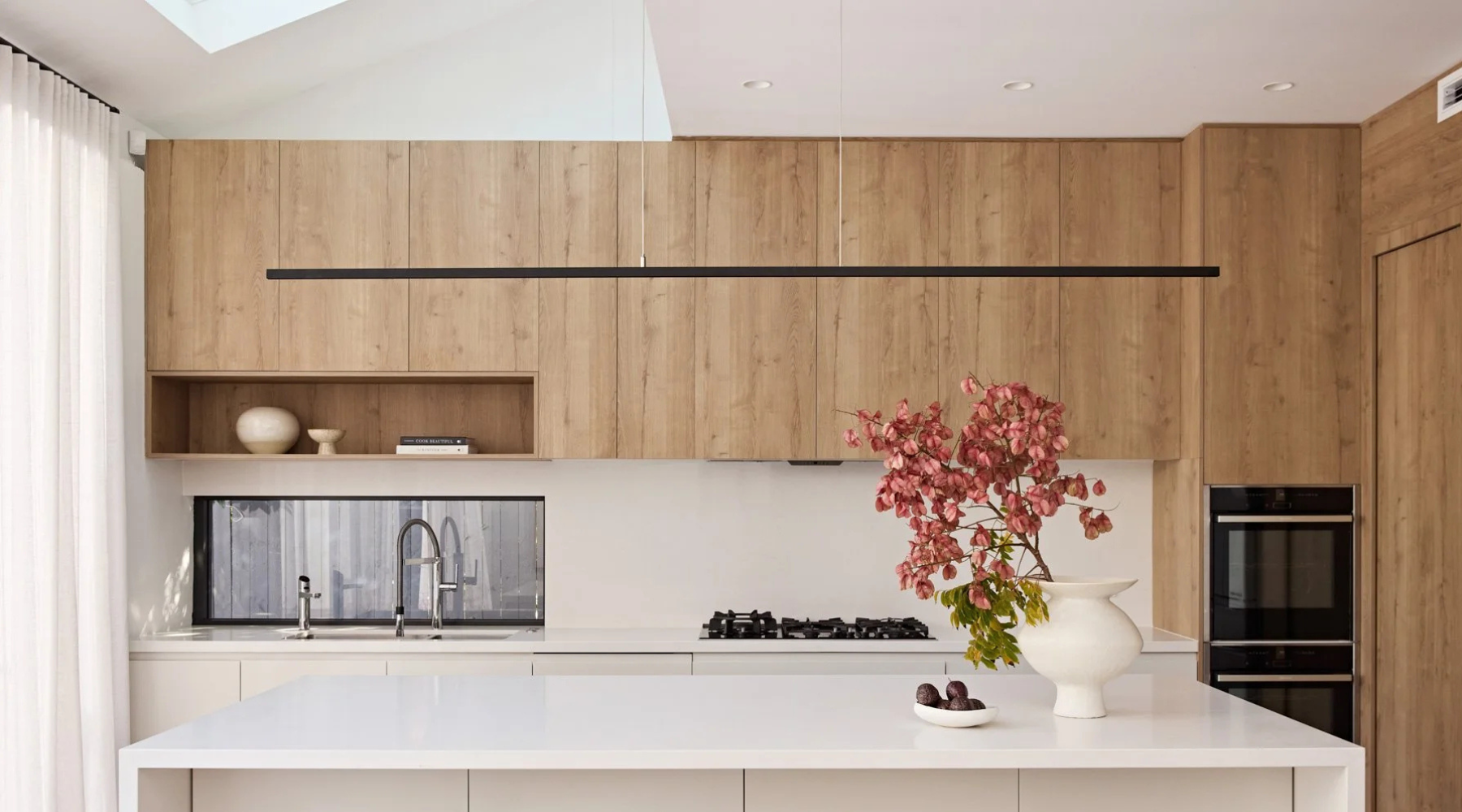
Beyond how beautiful they look, there’s a genuine sense of renewal that comes with living plants. More oxygen, more life, more energy. Living greenery brings movement and softness into a space - a vase of seasonal blooms in the kitchen, branches clipped from the garden in an entry, a single stem beside the bed.
It’s a small ritual that shifts the atmosphere instantly.
I’ve also always loved the idea that flowers in the home should be alive and fresh, especially in bedrooms. Across different cultures and philosophies, including feng shui, there’s a belief that dried or dying flowers represent stagnant energy and don’t belong near where you rest.
Fresh blooms symbolise vitality, growth and movement - which feels far more aligned with how we want our homes to support us.
Designing for emotion isn’t always about bold gestures. Sometimes it’s about subtle rituals that create a sense of aliveness.
There’s a quote I often think about:
“Flowers don’t worry about how they’re supposed to look. They simply bloom.”
That’s kind of the point of dopamine decor too.
How To Introduce Dopamine Decor In Your Home
You don’t need a full redesign to embrace dopamine decor. Start with intention.
One joyful element
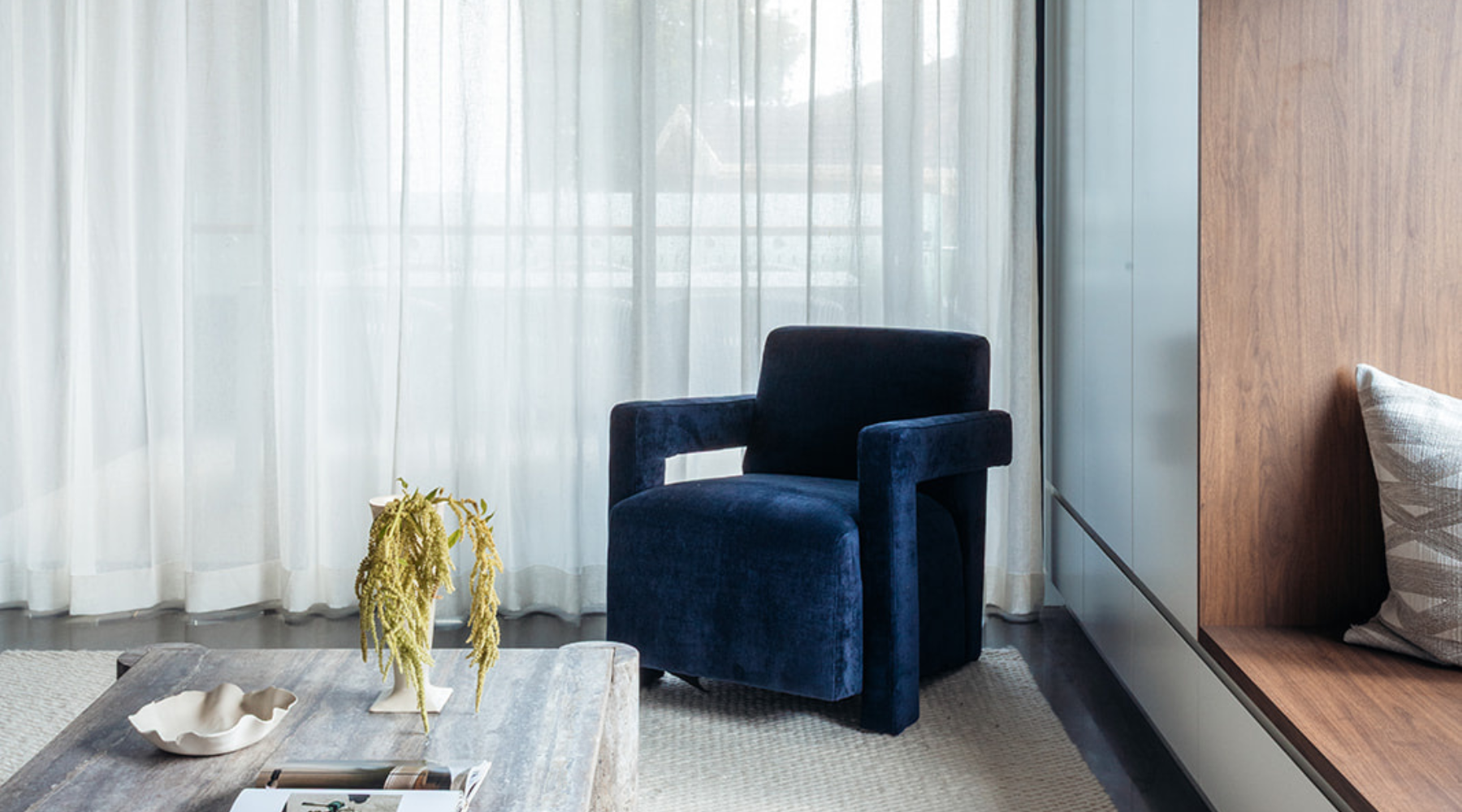
A statement lamp. A bold artwork. A textured armchair. One piece can recalibrate a space.Layered texture
Linen, stone, ceramic, timber. Texture creates emotional warmth without overwhelming visually.Something personal
Bring back an object you’ve hidden away because it didn’t “fit.” If it sparks something, it belongs.Living elements
Fresh flowers. Natural light. Rearranging a reading nook. Joy often lives in the details.
Joyful interior design isn’t about following another trend. It’s about reconnecting with your own taste and giving yourself permission to honour it.
The Unfolded Approach
At Unfolded, this approach feels very natural to how we already design.
We’ve always believed that the most beautiful spaces are the ones that feel alive, personal and emotionally connected to the people who live in them.
We balance architectural rigour with softness; restraint with expression; timeless foundations with personality.
Because your home is not a showroom.
It’s where you wake up. Where you rest. Where you gather. Where you reset.
Dopamine decor simply gives language to that idea. A home should make you feel something.
If it makes you smile, relax, or feel more like yourself, you’re doing it right.
IN OTHER NEWS | UNFOLDED: BEHIND THE DESIGN, A PODCAST SERIES.
INSIdE THE PROCESS: HOW LUXURY JOINERY IS REALLY BUILT
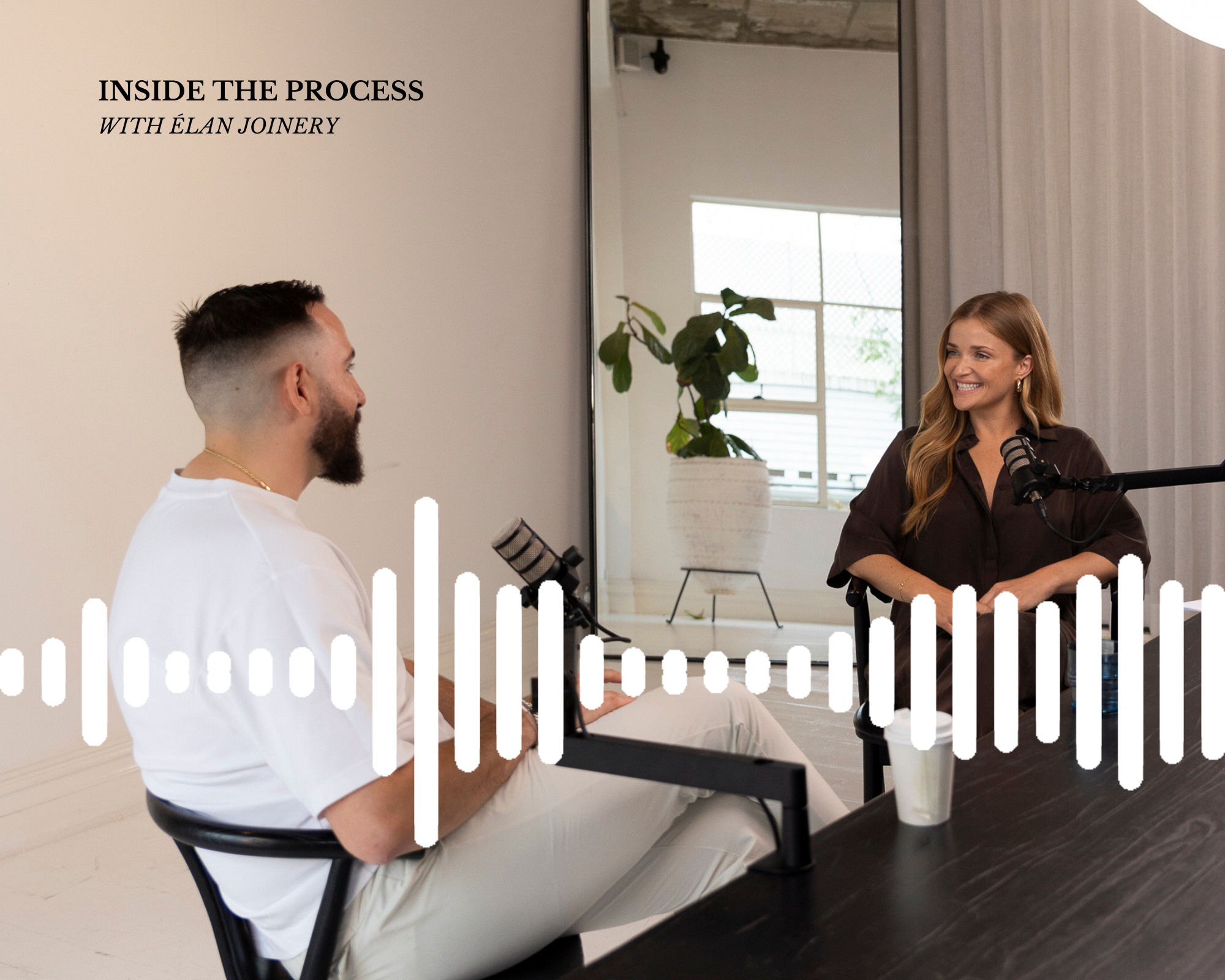
BEHIND THE DESIGN.
In this episode, Camilla sits down with Luke from Élan Joinery and SKUPA, to talk through what really goes into custom joinery and furniture, beyond the finished photos. From early planning and material selection to timelines, teamwork, and trust, Luke shares how thoughtful joinery is built around the way people actually live in their homes.
We invite you to tune in and listen to this episode on Apple PodcastS, Spotify or wherever you listen to your favourite podcasts. Watch the episode here.