

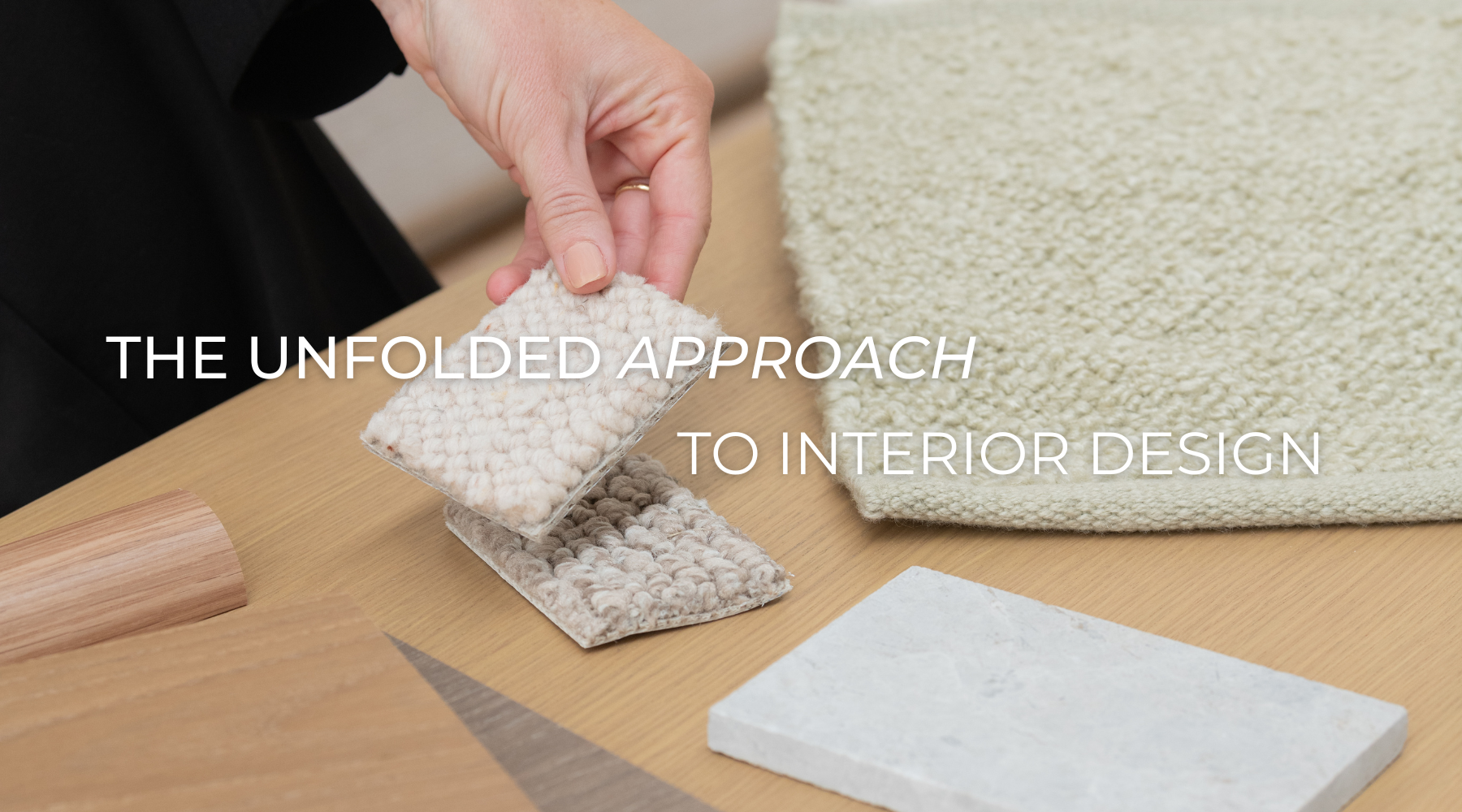
When you think of an interior designer, you might picture someone furniture shopping, comparing paint colours that to you appear identical, or dragging a couch around a room to ensure the feng shui is in balance.
For many homeowners, design is associated with finishes, furniture and styling – the final layer that comes once the major decisions have already been made. But in reality, interior design plays a far deeper role in shaping how a space functions, feels and supports everyday life.
An interior designer doesn’t just make a space look good. They guide a process; a journey – one that brings clarity to complex plans, foresight to decision-making and cohesion to every layer of a home.
So what does an interior designer actually do? And what does it really look like to work with one – from start to finish?
Before plans are refined or any materials are selected, interior design begins with understanding people.
How do you move through a space? Where do you spend most of your time? How do you gather, host, rest, cook or escape?
At Unfolded, this understanding forms the foundation of every project. Good design isn’t about imposing a look or style – it’s about unfolding a vision that reflects how you want to live now, and into the future.
This early clarity shapes everything that follows.
One of the most important – and often overlooked – roles of an interior designer is listening.
The design journey begins with in-depth conversations that explore lifestyle, priorities, practical needs and long-term goals. This stage helps define:
Rather than jumping straight to selections, this phase establishes a clear design direction, ensuring decisions are grounded in purpose rather than impulse.
Spatial planning is a core part of what interior designers do, particularly in new builds and renovations, where decisions are often permanent.
Layouts determine:
During this phase, an interior designer works closely with architectural plans, identifying opportunities, resolving inefficiencies and refining layouts so spaces feel intuitive rather than forced.
Once the spatial framework is established, the design begins to take visual form.
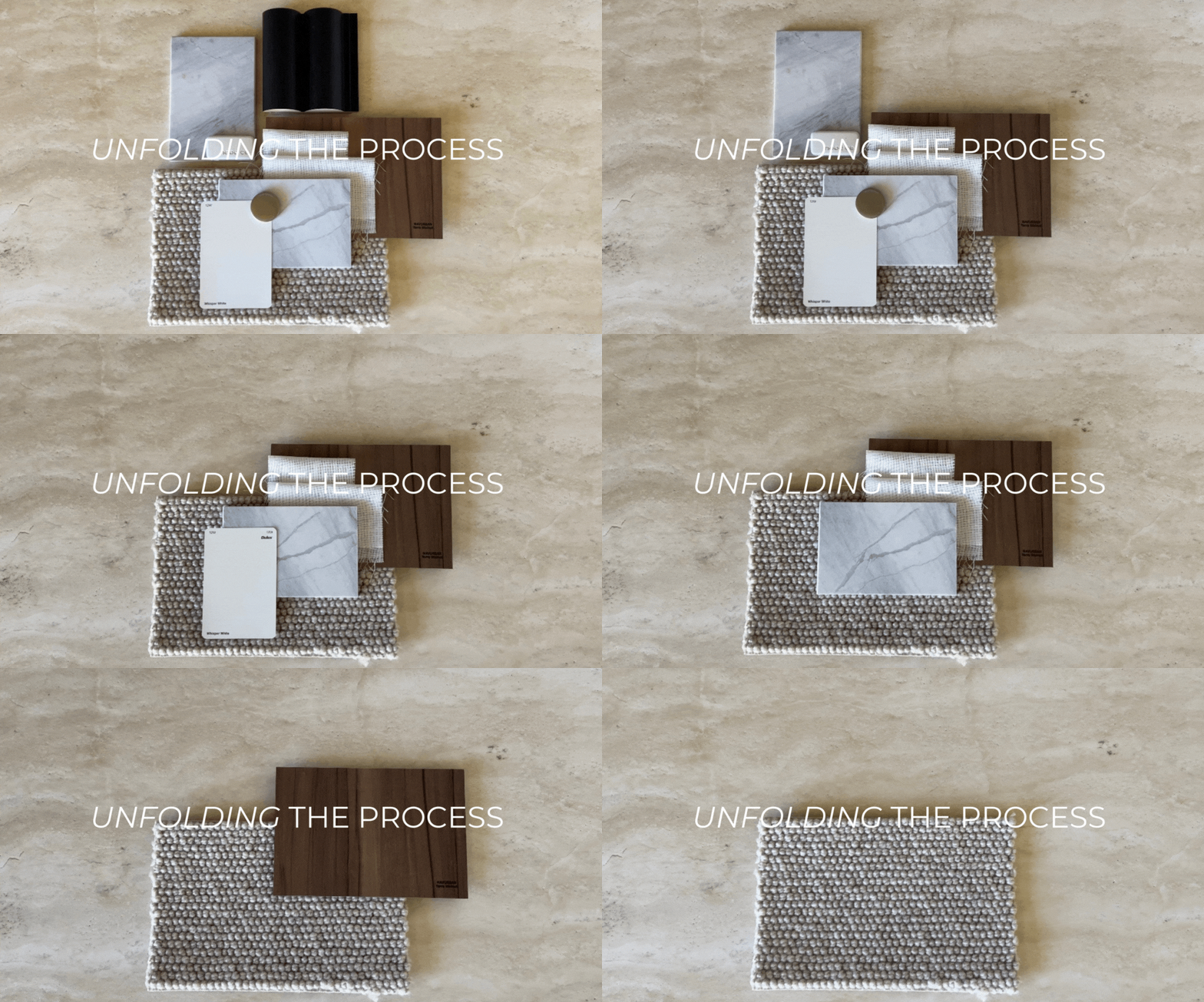
This stage is where an interior designer develops the overall look and feel of the home – not as isolated rooms, but as a cohesive whole. It includes:
At Unfolded, this phase is about alignment. It ensures you can see and feel the direction before moving into detailed documentation – reducing uncertainty and helping decisions feel intentional.
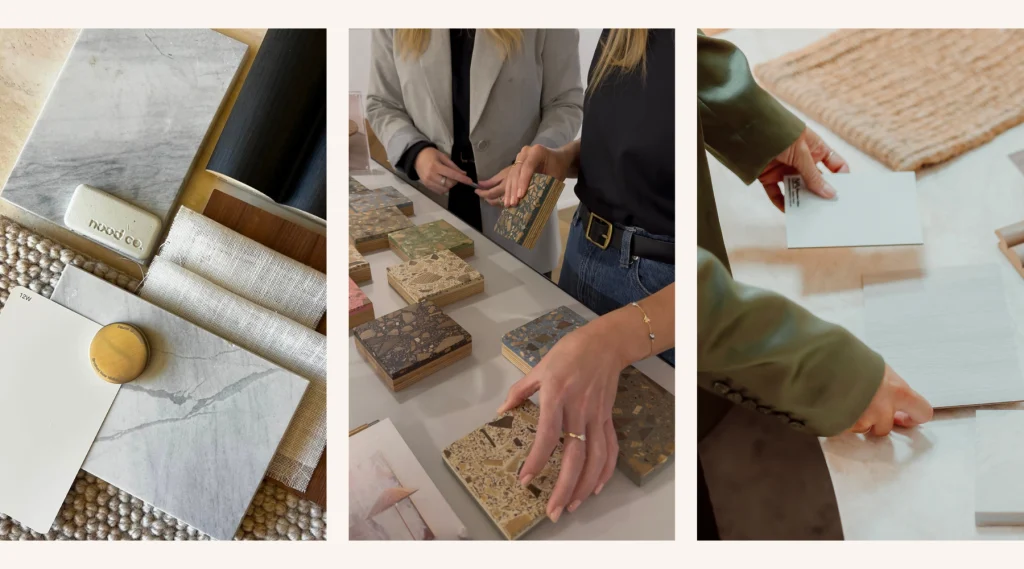
Interior designers bring ideas into reality through detailed documentation.
This is where vision becomes instruction, ensuring builders and trades have the information needed to execute the design accurately. It can include:
This phase is critical in preventing costly mistakes and design inconsistencies. It’s also where an interior designer’s foresight makes the biggest difference – thinking through details long before they become problems on site.
A key part of what interior designers do is anticipate.
Every decision has a ripple effect – materials affect maintenance, layouts affect daily routines, lighting affects mood and function. Interior designers are trained to see these connections early.
This foresight helps clients:
Rather than reacting to issues as they arise, designers work proactively – protecting both the design intent and the overall experience.
Interior design doesn’t stop when construction begins. Throughout a new build or renovation, an interior designer acts as a guide and advocate, collaborating with builders, architects and trades to ensure the design is carried through as intended.
This stage often includes:
For homeowners, this support removes pressure and decision fatigue during an already demanding phase of a project.
For many clients, this is where a home truly comes together.
Interior designers approach styling strategically – considering scale, proportion and how each piece contributes to the whole. This phase may include:
Rather than filling a space, styling refines it – creating dimension, warmth and balance.
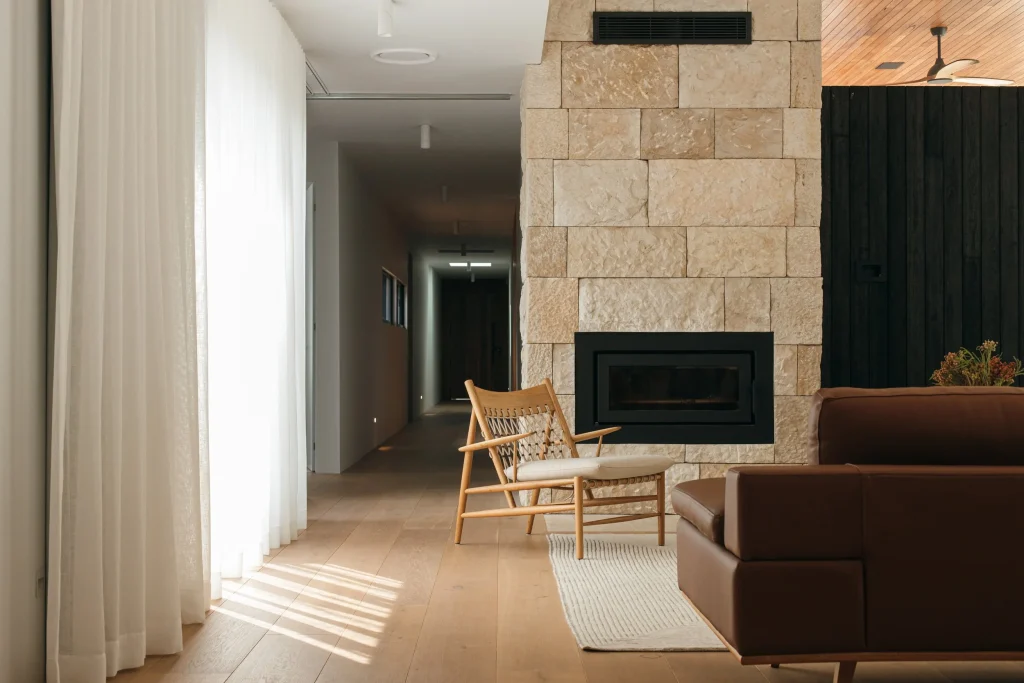
At its core, interior design is about guidance.
It brings structure to decisions, clarity to complex projects and cohesion to spaces that might otherwise feel fragmented. It allows homeowners to step back from the overwhelm and move through their project with confidence.
Interior designers don’t take control away from homeowners – they support, refine and guide, ensuring each decision aligns with the bigger picture.
At Unfolded, interior design is a considered journey.
We believe the process should feel calm, collaborative and deeply personal – never rushed or reactive. Each phase is designed to bring clarity, reduce stress and create homes that feels in perfect alignment with your values and lifestyle.
If you’re planning a new build, renovation or styling project and wondering how interior design fits into the process, we’re always happy to help you understand what the journey could look like.

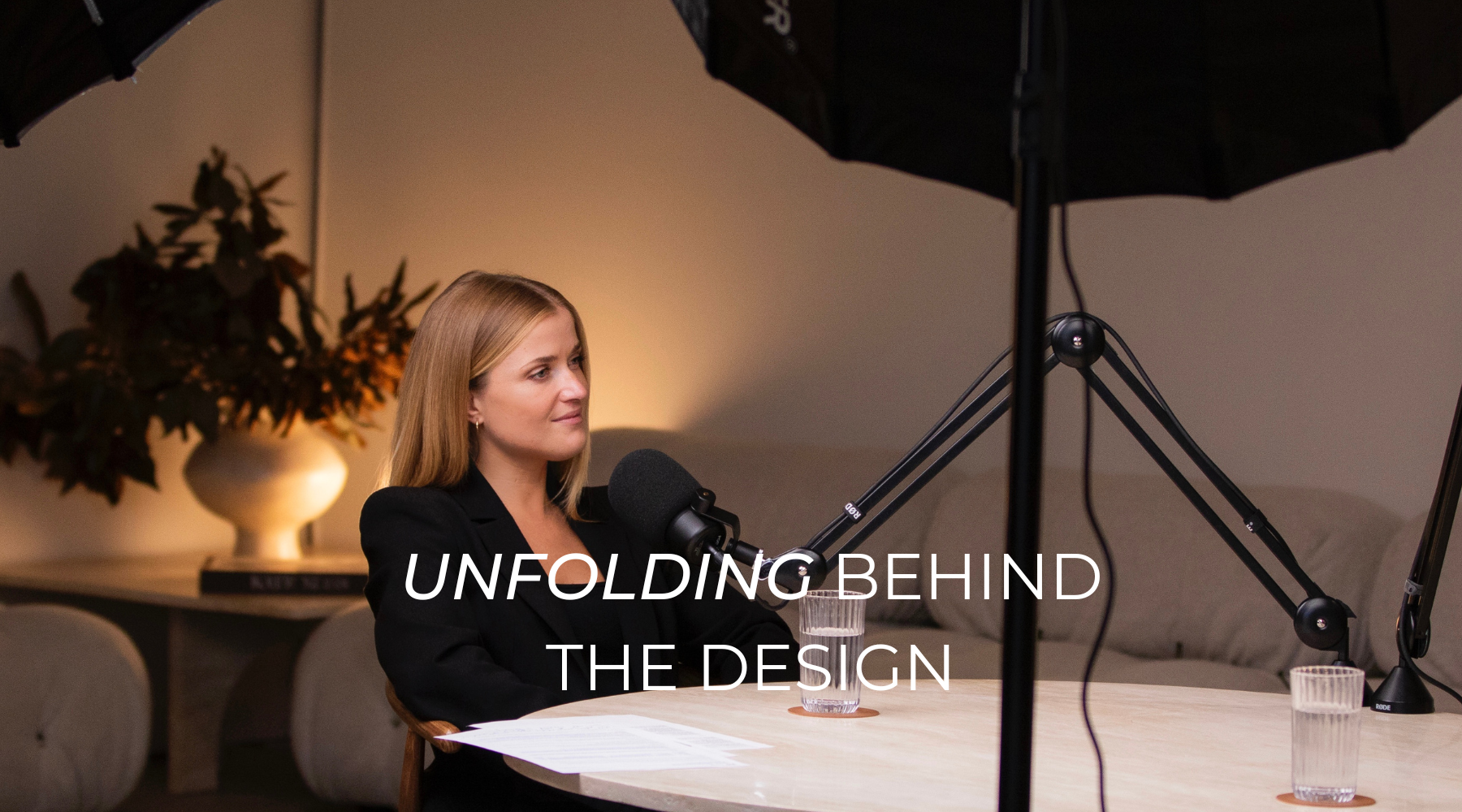
Subscribe to Behind the Design on your favourite podcast platform - Apple Podcasts, Spotify - so you never miss an episode.

Follow us on Instagram

Interior Design & Styling Studio based in Sydney and the Central Coast
© Unfolded.
All Rights Reserved
UNFOLDED by Camilla Ingall
Sydney & Central Coast, Australia
hello@unfolded.com.au
+(61) 420 982 270